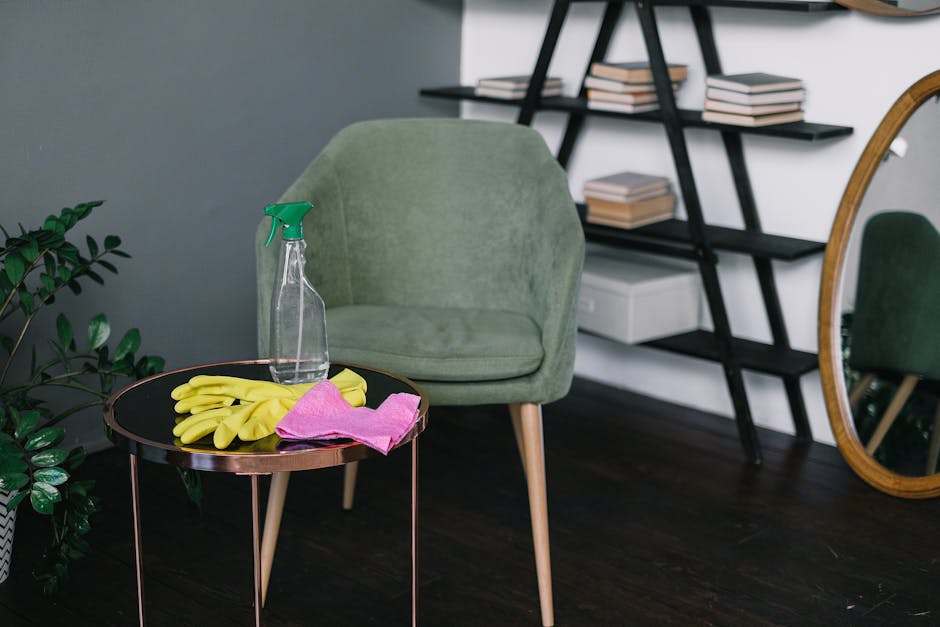
Compare cleaning quotes what to know before booking
If you are trying to compare cleaning quotes before booking, you are probably staring at a handful of prices that all look a bit different and wondering which one is actually worth it. Fair enough. One company seems cheap, another sounds more professional, and a third has a very polished website but no real detail. The tricky part is that the lowest price is not always the best deal, and the highest quote is not always the safest bet. What matters is understanding what is included, what is excluded, and how each cleaner approaches your job.
This guide walks through what to check before you book, how to compare cleaning estimates properly, and where people often get caught out. You will also see how to judge value, not just price, so you can make a calm decision rather than a rushed one. Let's face it, nobody wants the awkward moment of discovering "extra charges" after the cleaner has already arrived.
Table of Contents
- Why comparing cleaning quotes matters
- How comparing quotes works
- Key benefits and practical advantages
- Who this is for and when it makes sense
- Step-by-step guidance
- Expert tips for better results
- Common mistakes to avoid
- Tools, resources and recommendations
- Law, compliance, standards and best practice
- Options, methods and comparison table
- Case study or real-world example
- Practical checklist
- Conclusion
- Frequently asked questions
Why Compare cleaning quotes what to know before booking Matters
A cleaning quote is more than a number. It is a snapshot of how a company understands your job, what they think it will take, and how they structure their service. If you compare quotes without checking the details, you may end up choosing a package that sounds affordable but leaves out the very things you need. That can happen with domestic cleaning, deep cleaning, end of tenancy cleaning, carpet cleaning, and even specialist services like oven cleaning or upholstery cleaning.
People often assume every cleaner is quoting for the same job. In reality, one company may include a full bathroom refresh, inside cupboards, skirting boards, and limescale removal, while another may only cover visible surfaces. Those differences matter a lot. A quote that is GBP25 cheaper can become more expensive if you have to add extras later.
There is also a trust issue. A thoughtful quote usually tells you something about the business itself. Clear wording, a proper service breakdown, and realistic expectations are usually good signs. Vague pricing, on the other hand, can be a red flag. Not always, but often enough to make you pause.
Key takeaway: the best cleaning quote is the one that matches your actual needs, explains what is included, and leaves very little room for surprise once the job starts.
That is especially true in London, where travel time, parking, property access, and the type of building can all influence cost. A flat in central London is not the same as a family house in the suburbs, and cleaners know that. Your job is to compare quotes on a like-for-like basis so you can see who is really offering the better value.
How Compare cleaning quotes what to know before booking Works
Comparing cleaning quotes works best when you treat it like a mini specification exercise. You are not just asking, "How much?" You are asking, "For what exactly?" That sounds obvious, yet it is where many booking decisions go wrong.
The process usually starts with a request for details. A cleaner or company may ask about property size, number of rooms, condition of the space, type of cleaning, and whether you need extras such as oven degreasing, window cleaning, or carpet treatment. Good providers use that information to build a quote that reflects the real workload. Less careful ones may give a rough price from memory and hope it fits later. Hmm. Not ideal.
A solid comparison should look at five things:
- Scope: what tasks are included and what is left out
- Price structure: fixed fee, hourly rate, minimum charge, or add-ons
- Cleaner quality: experience, training, and whether the company uses its own cleaners or contractors
- Risk coverage: insurance, guarantees, and complaint handling
- Practical fit: availability, access, timing, and flexibility
Sometimes a quote looks higher because it includes more detail. For example, a deep clean may include descaling, dusting hard-to-reach areas, internal windows, and a more thorough kitchen clean, while a basic service might only cover standard weekly tasks. If you compare those two prices as though they are the same, the lower one wins unfairly.
So the right question is not "Which quote is cheapest?" It is "Which quote actually matches the job I need done?" That small shift makes a big difference.
Key Benefits and Practical Advantages
Taking time to compare cleaning quotes properly brings a few very practical benefits. Some are obvious, some only become obvious after you have been burned once or twice. We have all been there.
1. Better value for money
When the scope is clear, you can see whether a cleaner is offering more service for a slightly higher price. That is often where the real value sits.
2. Fewer misunderstandings
Clear quotes reduce the chance of confusion on the day. If the cleaner thinks blinds are included and you think they are not, someone is going to be disappointed. Better to sort that out early.
3. Easier budgeting
If you know whether the price is fixed or variable, you can plan around it. This matters for move-out cleans, landlord checkouts, or one-off spring cleaning appointments.
4. Better service matching
Different jobs need different approaches. A normal tidy-up is not the same as a post-renovation clean, and a after builders cleaning job needs a very different skill set from regular domestic cleaning.
5. More confidence before booking
When a company explains what it will do, what products it uses, and how it handles issues, you feel more in control. That peace of mind is worth something, honestly.
There is another advantage people overlook: comparison helps you spot professional habits. Good cleaners ask questions. They want pictures, room counts, and any awkward bits like limescale, pet hair, or delicate surfaces. That is not them being nosy; it is them trying to quote properly. And if you have ever tried to get dog hair out of a sofa at 8pm, you know why detail matters.
Who This Is For and When It Makes Sense
Comparing cleaning quotes makes sense for almost anyone hiring cleaning help, but it is especially useful in a few situations.
- Homeowners and renters who want regular or one-off help and need a fair price
- Tenants moving out who need an end of tenancy clean that matches letting agent expectations
- Landlords and agents who want reliable turnaround and clear accountability
- Busy households that need domestic cleaning but want to stay within budget
- Businesses comparing office cleaning providers for regular service
- People booking specialist work such as carpet, oven, upholstery, or window cleaning
It also makes sense whenever your property has unusual features. High ceilings, delicate flooring, heavy grease, pet odours, or lots of glass all affect the effort involved. A quote without those details may look fine on paper and then wobble in real life.
If you only need a quick refresh, such as a one-off cleaning visit, the main comparison may be around convenience and price. If you need a deeper, more intensive service, then service depth and reliability become more important than shaving a few pounds off the estimate.
Truth be told, this topic matters most when you are short on time. That is exactly when people are tempted to book the first quote that lands in their inbox. Slow down just a bit. It usually pays off.
Step-by-Step Guidance
Here is a practical way to compare cleaning quotes without getting lost in the noise.
1. Define the job clearly
Start with the outcome you want. Do you need a standard weekly clean, a spring clean, a deep clean, or a specialist service? For example, a tired kitchen after months of splashes and cooking smells may need kitchen cleaning, while a property with built-up dust and neglected corners may be better suited to deep cleaning.
Write down the rooms, surfaces, and problem areas. If there is a grimy extractor fan, stained grout, or a carpet that has seen one too many muddy shoes, mention it. Otherwise the quote can be too vague to be useful.
2. Ask for a service breakdown
A proper quote should explain what is included. Ask for specifics. Does the cleaner dust reachable surfaces only, or also move light furniture? Are bathrooms sanitised or simply wiped down? Are inside appliances included? Small details, big consequences.
3. Check how pricing works
Some cleaners charge by the hour, some by the job, and some use a hybrid model with add-ons. Hourly pricing can work well for flexible jobs, but fixed pricing is often easier when you want certainty. If there is a minimum booking time or call-out fee, make sure you know that before saying yes.
4. Compare what is not included
This part is easy to skip, and then you regret it later. Exclusions can include carpet stain removal, deep oven work, fridge interiors, internal windows, or heavy lifting. If one quote includes these and another does not, the comparison is not equal.
5. Look at trust signals
Ask about insurance, complaints handling, satisfaction guarantees, and whether the cleaners are trained or vetted. For commercial and rental properties, this matters even more. A cleaner who is careful with access, keys, and breakables is worth their weight in tea bags.
6. Confirm timing and access
Will they arrive in a fixed window or an exact slot? Do they need parking? Is there lift access? Can they work around tenants, office staff, or school runs? Timing sounds boring until the cleaner is outside your building and nobody can find the buzzer code.
7. Put it in writing
Whether it is by email, booking form, or message, keep a written record of the quote and agreed scope. That makes life simpler if anything needs reviewing later.
Expert Tips for Better Results
After dealing with enough cleaning bookings, a few patterns become obvious.
Be honest about condition. If you understate the job, you risk a mismatch. It is better to say "heavy grease" than "just a bit of oven mess" when the tray looks like it survived a barbecue festival.
Use photos if possible. A few clear pictures can help cleaners judge the job properly. This is particularly useful for carpets, upholstery, bathrooms, and post-works properties.
Ask what products and methods are used. This matters for delicate surfaces, pet households, allergy concerns, and natural stone. A good provider should be able to explain their approach in simple English, not jargon.
Check whether the company handles specialist tasks in-house. For example, a carpet cleaning service may use a different process from a general house clean, and that can affect both price and results.
Don't chase the cheapest hourly rate. A fast cleaner who misses corners is not great value. A slightly higher quote that includes proper detail often works out better, especially for time-sensitive jobs like moving day or guest preparation.
Ask what happens if the job changes. If the property is worse than expected, does the quote change? If extra rooms are added on the day, how is that handled? It is much better to discuss this before anyone starts carrying equipment through the hallway.
A small tip from real life: if a quote feels unusually low, ask what makes it so. Sometimes there is a valid reason. Sometimes the missing detail is the catch.
Common Mistakes to Avoid
People make the same handful of mistakes when comparing cleaning quotes. Most are understandable, but they can still cost time or money.
- Comparing different scopes as though they are the same
- Ignoring exclusions and add-on charges
- Forgetting to mention access issues, parking, or restricted entry
- Choosing only on price and not checking reliability
- Assuming all deep cleans are identical
- Not clarifying whether supplies are included
- Skipping confirmation in writing
- Failing to mention pets, allergies, or fragile surfaces
One of the biggest mistakes is assuming the word "cleaning" means the same thing everywhere. It doesn't. A domestic clean, end of tenancy clean, and office clean each has its own rhythm and expectations. For example, a busy workspace may need an office cleaning provider who can work around staff and security rules, while a home may need more attention to detail in kitchens and bathrooms.
Another common slip is forgetting that specialist areas can change the quote a lot. Carpet fibre, upholstery fabric, and flooring type all matter. That is why services such as carpet cleaning or hard floor cleaning should be compared on more than price alone.
And yes, sometimes people book in a rush, then realise the quote never actually said whether inside the fridge was included. Annoying. Very annoying.
Tools, Resources and Recommendations
You do not need fancy software to compare quotes well, but a simple system helps.
- A comparison notes sheet with columns for scope, price, inclusions, exclusions, timing, and insurance
- Photos of the property or problem areas so cleaners can quote more accurately
- A list of must-have tasks and nice-to-have extras
- Your booking emails or messages saved in one place
- A rough room-by-room checklist for larger jobs
If you want to understand a provider's wider service range, it can also help to look at their main pages for related services. For example, a company offering home cleaning, domestic cleaning, and spring cleaning is likely to have a more structured way of quoting for different job sizes.
For larger or more complex jobs, ask whether they can explain the quote in plain language. A decent provider should be able to say, "This price includes X, Y, and Z, but not A and B." If they cannot do that, it is probably worth pausing.
It can also help to review related company information such as insurance and safety and payment and security if those pages are available to you. These are not glamorous topics, sure, but they matter when someone is entering your home or business.
Law, Compliance, Standards and Best Practice
Cleaning quotes are commercial offers, so the key thing is not to assume anything that has not been stated. If a provider gives a written quote, read it carefully. If terms, limitations, or cancellation rules are mentioned, those form part of the booking decision.
In the UK, best practice usually includes being clear about:
- what the service covers
- what the customer must provide, if anything
- access arrangements and key handling
- payment terms
- complaints or remediation steps
For households and landlords, it is also sensible to check that the company follows basic health and safety practices, especially if the job involves ladders, chemicals, electrical appliances, or high-traffic spaces. If you are booking work in a commercial setting, it is wise to ask about risk awareness and site procedures too.
For end of tenancy work, expectations often depend on the tenancy agreement, inventory, and the property's condition at check-in and check-out. There is no one-size-fits-all answer, which is why a detailed quote matters so much. A cleaner can help with presentation, but they cannot magically rewrite the state of the flat. Sadly.
If sustainability matters to you, ask about product choices and waste handling. Some customers prefer a company that can align with more responsible cleaning and disposal habits. Where relevant, a page such as recycling and sustainability can give useful background on how the business thinks about this.
Best practice is simple: confirm the service in writing, ask sensible questions, and do not rely on assumptions. That alone avoids a lot of trouble.
Options, Methods and Comparison Table
There are a few different ways cleaners quote, and each has strengths. The right one depends on the job.
| Quoting method | Best for | Pros | Watch out for |
|---|---|---|---|
| Fixed quote | End of tenancy, deep cleans, specialist jobs | Clear cost, easier budgeting, fewer surprises | May exclude extras unless specified carefully |
| Hourly rate | Flexible domestic cleans, mixed tasks | Simple to understand, adaptable if needs change | Total cost can rise if the job is bigger than expected |
| Task-based pricing | Ovens, carpets, windows, upholstery | Good for specialist work, easier comparison between providers | May vary based on size, condition, or access |
| Package pricing | Multiple services booked together | Convenient, sometimes better value | Check whether each item is truly needed |
A useful rule: fixed pricing suits detailed jobs, hourly pricing suits flexible jobs, and task-based pricing suits specialist services. If a provider offers all three, good. That usually means they understand different customer needs rather than forcing one template onto everything.
If you are comparing a standard house clean with a one-off deep clean, do not expect identical pricing. A deeper service may require more labour, more products, and more time. For some homes, combining services can be a smarter move. For example, a clean that covers carpet cleaning, bathroom cleaning, and oven cleaning services may work better as a package than as separate last-minute bookings.
Case Study or Real-World Example
Imagine a two-bedroom flat in London after a long tenancy. The tenant wants to book a cleaner quickly because the inventory check is the next morning. They get three quotes.
The first is low and fast, but only says "general clean." The second is mid-range and lists kitchens, bathrooms, skirting, surfaces, and inside cupboards, but excludes appliances. The third is slightly higher and includes ovens, fridge interiors, carpet treatment, and a guarantee that the team will return if the agent raises a reasonable issue.
At first glance, the first quote looks best. Cheapest, right? But once the tenant checks the inventory requirements, that quote no longer fits. The mid-range option is closer, though it would still need extra work for the oven. The third quote is the most complete, and while it costs more up front, it reduces the risk of failure at checkout.
In that kind of situation, the best value is often the quote that matches the actual deadline and standards, not the one that simply looks smallest on the page. You can feel the difference when you read it. One quote sounds like a gamble. The other sounds like a plan.
The same logic applies outside tenancy moves. A family in a busy week might compare quotes for a house cleaning visit and discover that one cleaner includes bed making and kitchen detailing, while another does not. The better quote is the one that aligns with the life you are actually living, not the one you wish you had time to live.
Practical Checklist
Use this before booking. It is simple, but it saves a lot of back-and-forth.
- Have I described the job clearly?
- Do I know exactly what the quote includes?
- Have I checked exclusions and extra charges?
- Is the pricing fixed, hourly, or task-based?
- Do I know whether supplies and equipment are included?
- Have I shared photos if the job is complex?
- Have I asked about insurance and complaint handling?
- Do I understand arrival time, access, and parking needs?
- Have I compared like-for-like services only?
- Is the agreement confirmed in writing?
Quick sanity check: if you cannot explain the difference between the quotes in one sentence, you probably do not have enough detail yet.
And if a provider answers your questions clearly and patiently, that is a good sign. Not a guarantee, of course, but a good sign.
Conclusion
To compare cleaning quotes before booking properly, focus on scope, exclusions, pricing style, and trust. That is the real story. Not just the number at the bottom. A good quote should feel specific, fair, and easy to understand, even if the job itself is messy, time-sensitive, or awkward.
The smartest bookings usually come from asking a few direct questions and making sure each provider is quoting for the same thing. When you do that, you stop comparing apples with oranges and start comparing real value. It is a small bit of admin, yes, but it can save money, stress, and a lot of "oh, I thought that was included" moments.
If you are ready to move forward, take one more minute to review the scope carefully, then choose the provider that gives you confidence as well as a sensible price.
Get a free quote today and see how much you can save.
Frequently Asked Questions
What should I look for when comparing cleaning quotes?
Look at what is included, what is excluded, whether the price is fixed or hourly, and whether the provider has clear insurance and complaints information. A detailed quote is usually more useful than a cheap vague one.
Are the cheapest cleaning quotes always the best value?
No. A cheap quote can be good value only if it covers the work you need. If it leaves out key tasks or charges extra later, the real cost may end up higher.
Why do cleaning quotes vary so much?
Quotes vary because jobs are not identical. Property size, condition, location, timing, parking, and the type of cleaning all affect the price. Specialist work such as ovens or carpets can also change the quote a lot.
Should I choose a fixed quote or an hourly rate?
A fixed quote is often better for detailed jobs where you want certainty, such as deep cleans or end of tenancy cleaning. Hourly rates can work well for flexible, ongoing domestic cleaning.
What questions should I ask before booking a cleaner?
Ask what the price includes, whether supplies are provided, how extra work is charged, what happens if the job changes, and whether the company has insurance. Those questions save headaches later.
Do I need to send photos before getting a quote?
Not always, but photos help a lot for complex jobs. They make it easier for the cleaner to estimate the time, effort, and tools needed, which usually leads to a more accurate quote.
How can I compare end of tenancy cleaning quotes properly?
Compare the checklist item by item. Make sure each provider is covering the same rooms, surfaces, and appliances. Also check whether they offer any kind of return visit if a reasonable issue is raised.
Is it okay to negotiate a cleaning quote?
Sometimes, yes. If you have flexible timing, multiple rooms, or repeat work, there may be room to adjust the price. It is better to ask politely than to assume there is no flexibility.
What hidden costs should I watch for?
Watch for travel charges, parking, minimum booking fees, surcharge for heavy dirt, add-ons for ovens or carpets, and charges for missed access. Good quotes make these clear upfront.
How far in advance should I compare quotes?
As early as you can, especially for move-outs, post-build jobs, or busy periods. Booking too late can limit your options and make you accept a less suitable quote just because time is tight.
Do cleaning companies usually include supplies and equipment?
Often they do, but not always. You should confirm this before booking because the answer can affect both price and convenience. Never assume.
What if the property is worse than I described?
A responsible company may revise the quote if the job turns out to be larger than expected. That is why honesty and photos are useful. It is much better to flag issues early than argue halfway through the clean.