DIY versus professional house cleaning which to choose
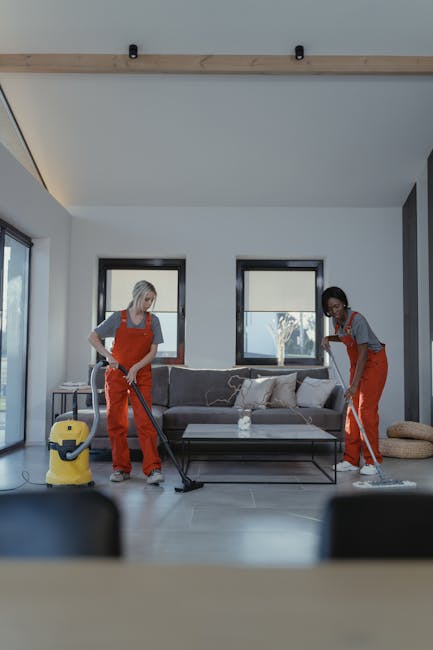
If you are staring at a tired kitchen, a dusty skirting board, or a bathroom that needs more than a quick wipe-over, the question comes up fast: DIY versus professional house cleaning which to choose? Some jobs are easy enough to handle yourself with a cloth, a decent cleaner, and a bit of elbow grease. Others are time-hungry, physically awkward, or just plain stubborn. Truth be told, most people need a mix of both at different times.
This guide breaks down the real differences, not the glossy version. You will see where DIY cleaning makes sense, when a professional cleaner is the smarter call, how to compare cost against effort, and what to expect from each option. If you want a practical answer rather than a vague "it depends", you are in the right place.
Key point: the best choice is usually the one that matches your time, standards, property condition, and tolerance for hassle. Simple as that.
Why DIY versus professional house cleaning which to choose Matters
Choosing between cleaning your home yourself and hiring a professional is not just about saving money. It affects your time, the finish you get, the stress you carry, and sometimes the long-term condition of surfaces and fixtures. A rushed DIY clean can leave grease in hidden corners, limescale on taps, or grime around seals and edges. On the other hand, paying for a professional service when a quick domestic tidy would have done the job can feel like overkill.
That balance matters even more in busy households. If you work long hours, have children, care duties, or mobility issues, the "cheap" option may not be the cheapest once your own time is counted. And let's face it, spending your entire Saturday scrubbing behind a toilet is not everyone's idea of a good time.
There is also a quality angle. Professional cleaners often bring specialist products, commercial-grade equipment, and a methodical routine that tackles the places most people miss. DIY cleaning can still be excellent, especially when done regularly, but it usually depends on your energy, knowledge, and consistency. If those slip, the job slips too.
For homes in London and across the UK, the decision often comes down to a simple question: are you doing routine maintenance, or are you trying to reset the home to a much higher standard? That distinction changes everything.
How DIY versus professional house cleaning which to choose Works
DIY cleaning usually follows a simple pattern: you choose your products, gather tools, and clean room by room. It works best when the task is familiar and manageable, such as vacuuming, mopping, wiping kitchen surfaces, or cleaning a bathroom on a weekly basis. The main limitation is that most people clean what they can see. That is not laziness; it is just human nature.
Professional house cleaning works differently. A cleaner or cleaning company uses a planned process, often beginning with high-dust areas and moving downwards, then finishing with details like switches, handles, edges, and hard-to-reach spots. Depending on the service, this may include domestic cleaning, deep cleaning, or a one-off reset through one-off cleaning.
In practice, the choice is less about "can it be cleaned?" and more about "how much effort will it take to clean it properly?" A burnt oven tray, a shower screen covered in soap film, or a carpet with embedded dirt can all be cleaned yourself. The question is whether you want to spend hours figuring it out and then repeating the job because the first pass missed things. That is where professionals can feel worth every penny.
One useful way to think about it is this: DIY is ideal for ongoing maintenance, while professional cleaning is better for scale, stubborn dirt, time pressure, or specialist finishes. Not always, but often enough.
Key Benefits and Practical Advantages
Both options have real strengths. The better choice depends on what you value most right now.
Benefits of DIY house cleaning
- Lower direct cost: You buy the products and tools, but you are not paying for labour.
- Flexible timing: Clean when it suits you, even if that means ten minutes before dinner or early on a Sunday.
- Full control: You decide what gets cleaned, what products are used, and how detailed the job is.
- Good for routine upkeep: Regular wiping, vacuuming, and tidying prevent bigger problems from building up.
- Personal satisfaction: There is something oddly satisfying about a properly clean sink. A small victory, but still a victory.
Benefits of professional house cleaning
- Better deep-clean results: Professionals are usually more effective on build-up, stains, and awkward areas.
- Time savings: You get hours back that can go to work, family, or just a quiet evening.
- Consistency: A good cleaner follows a system, which helps avoid missed spots.
- Specialist equipment: Services like oven cleaning services, carpet cleaning services, or upholstery cleaning often use methods and tools that outperform a standard home kit.
- Reduced strain: Helpful if bending, lifting, or scrubbing puts pressure on your back, wrists, or knees.
There is also a practical quality difference that people notice immediately. A DIY clean may look fine at first glance. A professional clean often changes how the room feels: brighter, fresher, less sticky around switches and handles, and somehow less tired. You notice it when the light hits a polished surface in the afternoon. Small thing, but it matters.
Who This Is For and When It Makes Sense
DIY cleaning makes sense if your home is generally tidy, your schedule is manageable, and you only need regular maintenance. That includes many flats, smaller homes, and households that stay on top of jobs little and often. If you are already doing a little each day, a proper weekly routine can keep everything under control.
Professional cleaning makes more sense when the home has got away from you, when life has got busy, or when the result needs to be visibly better than a standard tidy-up. This is often true for people moving out, moving in, recovering after illness, preparing for guests, managing a property, or simply wanting a proper reset after a messy season of life. Nobody needs to apologise for that, by the way.
It also makes sense to hire professionals when the job involves specialist tasks. Think heavy carpet staining, post-renovation mess, greasy ovens, or a bathroom with stubborn limescale and mould around seals. For those jobs, regular domestic cleaning may not be enough on its own.
If you are trying to decide based on lifestyle, ask yourself these questions:
- Do I actually have the time to do this well, not just quickly?
- Will I keep doing it regularly, or will it become a one-off heroic effort every few months?
- Do I need a basic clean, or a much deeper finish?
- Would specialist equipment make a noticeable difference?
Those answers usually point you in the right direction faster than any marketing pitch ever will.
Step-by-Step Guidance
If you want a clear way to choose between DIY and a professional house cleaning service, use this practical process.
- List the task. Be specific. "Clean the house" is too broad. "Deep clean kitchen, bathroom, and landing carpet" is much easier to judge.
- Assess the condition. Light dust, general dirt, and everyday clutter are DIY territory. Thick build-up, staining, or neglected areas often need more than a basic home clean.
- Estimate your time honestly. Not fantasy time. Real time. If it will take you five hours and you only have two, that matters.
- Check whether you have the right tools. A microfibre cloth and all-purpose spray are great. They are not magic, though.
- Think about risk. Delicate surfaces, upholstery, natural stone, and certain flooring can be damaged by the wrong product or method.
- Compare the finish you need. If you want a tidy home, DIY may be enough. If you want a "as if nobody lived here" level of clean, professional help is usually better.
- Choose the most sensible option. Sometimes the answer is mixed: DIY for maintenance, professional help for the heavy lifting.
Here is a useful rule of thumb: if the job can be done in short bursts and repeated weekly, DIY often wins. If it is a big, messy, or emotionally draining task, bring in help. No shame in that. None.
Expert Tips for Better Results
In our experience, the best outcomes rarely come from one perfect method. They come from matching the method to the job.
- Clean from top to bottom. Dust shelves, then surfaces, then floors. It saves doing things twice.
- Use the right product for the material. What works on laminate may not be safe for natural stone or delicate upholstery.
- Work room by room. It keeps you focused and stops the whole house looking half-done at 9 p.m.
- Let products dwell. Many cleaners need a short wait to loosen grease or soap scum. Wiping too soon reduces the effect.
- Test before you treat. Patch-test spot cleaners on hidden areas, especially on fabrics and carpets.
- Schedule deep jobs before they become emergencies. A planned deep clean is easier than a panic clean before guests arrive.
- Pair professional cleans with simple upkeep. A cleaner can do the heavy work, while you maintain the basics between visits.
One small but useful habit: keep a separate cloth or sponge for the bathroom and the kitchen. It sounds obvious, yet it gets overlooked more often than people admit. Practical, boring, effective. The holy trinity of cleaning.
If you hire professionals, be clear about what matters most. Stubborn limescale? Pet hair? Skirting boards? A good cleaner can prioritise better when you explain the problem areas up front.
Common Mistakes to Avoid
The biggest DIY mistake is underestimating the job. People often start with energy and optimism, then lose steam halfway through. That is how the "quick clean" turns into a three-day campaign.
- Using too much product: More cleaner does not always mean better cleaning. Sometimes it just leaves residue.
- Skipping preparation: If you do not declutter first, you spend half your time moving objects instead of cleaning surfaces.
- Mixing products: This can be unsafe and should be avoided. Follow the label instructions carefully.
- Ignoring hidden areas: Behind toilets, around taps, under sofas, and along skirting boards are where dirt likes to linger.
- Choosing the wrong service type: A basic tidy-up is not the same as a proper deep clean or end-of-tenancy clean.
- Expecting a miracle from one pass: Heavy grime often needs more than one treatment, or specialist equipment.
There is also a professional-service mistake worth mentioning: not being clear about expectations. If you want the oven, carpets, and bathroom done properly, say so before the booking. That avoids awkward surprises later. Nobody wants that little "oh, I thought that was included" conversation at the door.
Tools, Resources and Recommendations
For DIY cleaning, a sensible starter kit usually includes microfibre cloths, a vacuum cleaner, a mop, a bucket, gloves, a soft brush, and a few purpose-made cleaners. For many homes, that is enough for routine maintenance. A good house cleaning approach is really about consistency, not having a cupboard full of gadgets.
If you need more focused work, it helps to consider specialist options. For example:
- Bathroom cleaning for soap scum, taps, tiles, and sanitary surfaces.
- Kitchen cleaning for grease, splash zones, cupboards, and worktops.
- Oven cleaning or oven cleaning services for heavy burnt-on residue.
- Carpet cleaning and upholstery cleaning for soft furnishings.
- window cleaning for glass, frames, and a better finish than DIY streaking usually delivers.
- spring cleaning when the whole property needs a broader reset.
If you are comparing services, it can help to look at what a cleaning company offers versus a one-off independent arrangement, and whether you want recurring support from house cleaners or a single visit from domestic cleaners. The right fit depends on whether your need is ongoing or occasional.
For pricing, scope, and expectations, a clear quote is better than guessing. You can also review pricing and quotes before deciding. That keeps the conversation grounded in what you actually need, not what sounds cheapest in theory.
Law, Compliance, Standards, or Best Practice
For most homeowners and tenants, the main compliance issues are practical rather than legal. The important thing is to use cleaning products safely, follow label instructions, ventilate rooms when needed, and keep hazardous chemicals away from children and pets. If you are hiring a professional service, it is sensible to check whether they have appropriate public liability cover and sensible safety practices. You are not being awkward. You are being careful.
In the UK, many cleaners and cleaning companies work to standard health and safety expectations, but the exact arrangements vary. If you are booking a service for a rented property, end-of-tenancy requirement, or shared accommodation, the relevant agreement may set expectations for cleanliness. Those expectations are not always identical to everyday household cleaning, so it pays to read the detail.
Environmental practice is another growing consideration. Some households prefer lower-impact products or reduced-waste routines, while others are happy to prioritise speed and heavy-duty cleaning power. If sustainability matters to you, ask about product choice and waste handling. A professional service should be able to explain its approach in plain English, without sounding like a brochure from another planet.
For specialist jobs such as after builders cleaning or waste-heavy clearances, best practice also means careful handling of dust, debris, and any sharp or heavy materials. Services like after builders cleaning and house clearance are often a different category altogether from routine domestic cleaning, so they should be treated that way.
Options, Methods, or Comparison Table
Here is a straight comparison to make the decision easier.
| Factor | DIY cleaning | Professional cleaning |
|---|---|---|
| Cost | Lower direct spend | Higher upfront cost, but includes labour and expertise |
| Time | You do the work yourself | Saves your time |
| Quality | Good for routine upkeep | Usually stronger for deep cleaning and specialist tasks |
| Convenience | Flexible, but effort-heavy | Very convenient once booked |
| Equipment | Basic home tools | Often specialist tools and products |
| Best for | Regular maintenance, light cleaning, low budgets | Move-outs, deep cleans, busy households, stubborn dirt |
| Risk | Higher chance of missed spots or product mistakes | Lower if the cleaner is experienced and insured |
If you prefer a simple decision rule, use this: DIY for maintenance, professional for reset. It is not perfect, but it works remarkably well in real life.
Case Study or Real-World Example
Picture a two-bedroom flat in London after a busy few months. The kitchen has a sticky patch near the hob, the bathroom has limescale on the taps, the carpet near the hallway has lost its colour a bit, and the owner has a work deadline breathing down their neck. They try to DIY on a Friday evening. After an hour, the worktops are better, but the oven is still grim, the shower screen still looks cloudy, and the carpet is only half improved. The place feels cleaner, but not clean-clean.
At that point, a professional visit makes sense. A cleaner can focus on the stubborn areas with proper equipment and a structured process, while the owner keeps up with lighter weekly tasks after that. The result is not just a cleaner flat. It is a more manageable routine.
Now compare that with a household that already has a tidy home and just needs regular vacuuming, wiping, and bathroom upkeep. In that case, hiring a professional for every little job would be unnecessary. A sensible DIY routine, plus the occasional specialist clean when needed, is probably the smarter route.
That is the real answer for most people: not one approach forever, but the right approach for the moment.
Practical Checklist
Use this before deciding.
- Is the job routine maintenance or a deeper reset?
- Do I have enough time to do it properly?
- Do I already own the right tools and products?
- Will the surface, fabric, or appliance need specialist care?
- Am I comfortable doing the physical work involved?
- Would the result matter for guests, moving day, or a property handover?
- Do I need recurring help rather than a one-off clean?
- Is there any safety, allergy, or product concern to think about?
- Would hiring help save enough time or stress to justify the cost?
If you answer "yes" to several of the time, effort, or specialist-care questions, professional cleaning is probably the better fit. If most answers point to simple upkeep, DIY will likely do the job well enough.
Conclusion
So, DIY versus professional house cleaning which to choose? The honest answer is that both have a place. DIY is best for regular upkeep, quick wins, and keeping control of your own home. Professional cleaning shines when you need depth, speed, specialist tools, or a full reset after things have built up. In many homes, the smartest approach is a blend of the two.
If you are still on the fence, start with the question that matters most: do you want to spend your time cleaning, or do you want the cleaning done? That simple distinction usually settles it.
Get a free quote today and see how much you can save.
And if all you do after reading this is clear one stubborn room and breathe a little easier, that is a win too. Small progress counts.
Frequently Asked Questions
Is DIY cleaning cheaper than hiring a professional?
Usually, yes, in terms of direct cash outlay. But it is worth counting your own time, effort, and the quality difference. If a task takes you half a day and still does not look right, a professional may end up being better value.
When should I choose professional house cleaning instead of DIY?
Choose professional cleaning when the job is large, time-sensitive, physically demanding, or requires specialist equipment. It is especially useful for deep cleans, ovens, carpets, upholstery, and end-of-tenancy situations.
Can I do a deep clean myself?
Yes, many people can. The catch is that deep cleaning takes time, the right products, and a lot of patience. If the home has built-up grime or multiple problem areas, it may be easier to hire help for the heavy work.
How often should a home be professionally cleaned?
That depends on lifestyle, household size, pets, and standards. Some people book occasional deep cleans only, while others prefer regular professional visits alongside DIY maintenance.
What is the difference between domestic cleaning and deep cleaning?
Domestic cleaning is usually routine upkeep such as vacuuming, dusting, wiping surfaces, and bathroom basics. Deep cleaning is more detailed and targets areas that are often missed in a standard clean, such as behind appliances, grout, or build-up around fittings.
Are professional cleaners worth it for busy families?
Often, yes. If weekends are already packed, professional cleaning can remove a major source of stress and help keep the home manageable. It is less about luxury and more about breathing room.
Do professional cleaners bring their own equipment?
Usually they do, though it depends on the service and the arrangement. It is always best to ask in advance so you know whether to provide anything specific.
Can DIY cleaning damage surfaces?
It can, especially if you use the wrong product on stone, wood, carpets, or upholstery. Always test products on a hidden area first and follow the manufacturer's guidance.
What should I ask before hiring a cleaner?
Ask what is included, what products and equipment are provided, how long the job should take, and whether the service is insured. Clear expectations save awkward surprises later.
Is one-off cleaning better than regular DIY?
Not always. One-off cleaning is great for a reset, but DIY is usually better for keeping things under control between visits. The best setup for many homes is a one-off deep clean followed by simple upkeep.
How do I decide between a cleaning company and an independent cleaner?
Think about reliability, scope, and the type of job you need done. A cleaning company may suit larger or more structured needs, while a smaller arrangement can be fine for straightforward domestic tasks. The right choice depends on your priorities and the exact level of service you want.
Is professional cleaning only for big homes?
No. Flats, shared homes, and smaller properties can benefit just as much, especially if the issue is stubborn dirt or lack of time rather than size. In fact, a compact home can feel transformed very quickly after a proper clean.